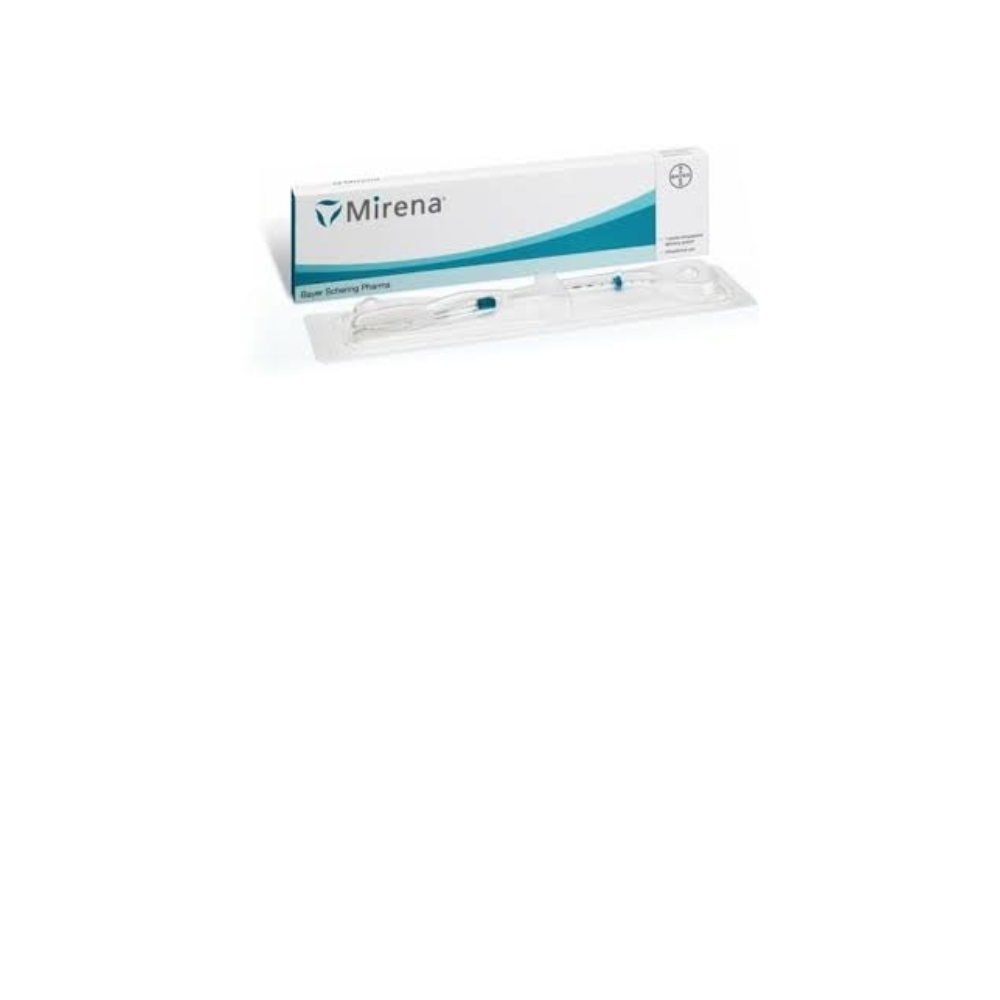
Mirenais a small and T-shaped hormonal intrauterine device (IUD). It features a flexible plastic framework with a size of about 32 mm by 32 mm, which comprises 52 mg of the hormone known as Mirena Iuds 52mg Device levonorgestrel. Hormones are slowly released from the device into the uterus to ensure effective contraception for several years.
Shape of the Device: Small and flexible “T-body” with dimensions of 32 mm vertically and 32 mm horizontally.Hormone Content: 52 mg of levonorgestrel, which is gradually released.Effectiveness: Contraceptive effectiveness for up to 8 years; treats heavy periods for up to 5 years.
Contraception Mechanism: Mirena luds 52mg thickens cervical mucus, preventing sperm from entering the uterus, thins the uterine lining, and partly suppresses ovulation. Minimizes Period Pain: Ensures that the Mirena Iuds 52mg Device in pakistan uterine lining stays thin, thus reducing bleeding during menstrual periods.
Insertion Procedure: The device is implanted during an office visit.Possibility of Removal: Easily removable or replaceable whenever needed.
Period Irregularity: Occasional spotting and irregular periods may occur in the first 3-6 months.Common Effects: Can also cause pelvic/stomach pain, headaches, or formation of ovarian cysts.Health Risks: Extremely rarely, Mirena may lead to pelvic infection (PID) or migration through the uterine walls.It is crucial to have a talk with your doctor before.